
Halachic Integrity & Architectural Cases: Procuring Mezuzah scrolls for new institutional campuses, synagogue facilities, or residential developments demands uncompromising adherence to the Shulchan Aruch (Yoreh De’ah 285–291). Every kosher scroll must be hand-scribed with natural gallnut ink on certified Klaf (parchment) by an ordained Sofer Stam, followed by dual-tier computer OCR and manual rabbinical proofreading. Exterior cases must provide hermetic weatherproofing against extreme climates.
1. The 4 Essential Criteria of a Truly Kosher Mezuzah Scroll
- 1. 100% Genuine Hand-Scribed Parchment (Klaf): Processed from the hide of a kosher animal (typically calf or goat), scraped and prepared specifically for sacred use (Lishmah). Printed or silkscreened scrolls are completely invalid.
- 2. Natural Permanent Gallnut Ink: Traditional black ink crafted from gallnuts, gum arabic, and copper sulfate, ensuring deep black permanence that does not fade under UV sunlight exposure.
- 3. Certified Sofer Stam Calligraphy: Strict adherence to Ashkenazi (Beis Yosef / Ari) or Sephardic (Velish) script styles, with crowned letters (Tagin) intact and zero touching characters.
- 4. Dual Examination (Mugah & Computer OCR): Scanned through specialized optical recognition software to verify all 713 letters of the Shema, followed by meticulous review by a rabbinical examiner.
2. Case Engineering: Indoor Aesthetics vs. Outdoor Weatherproofing
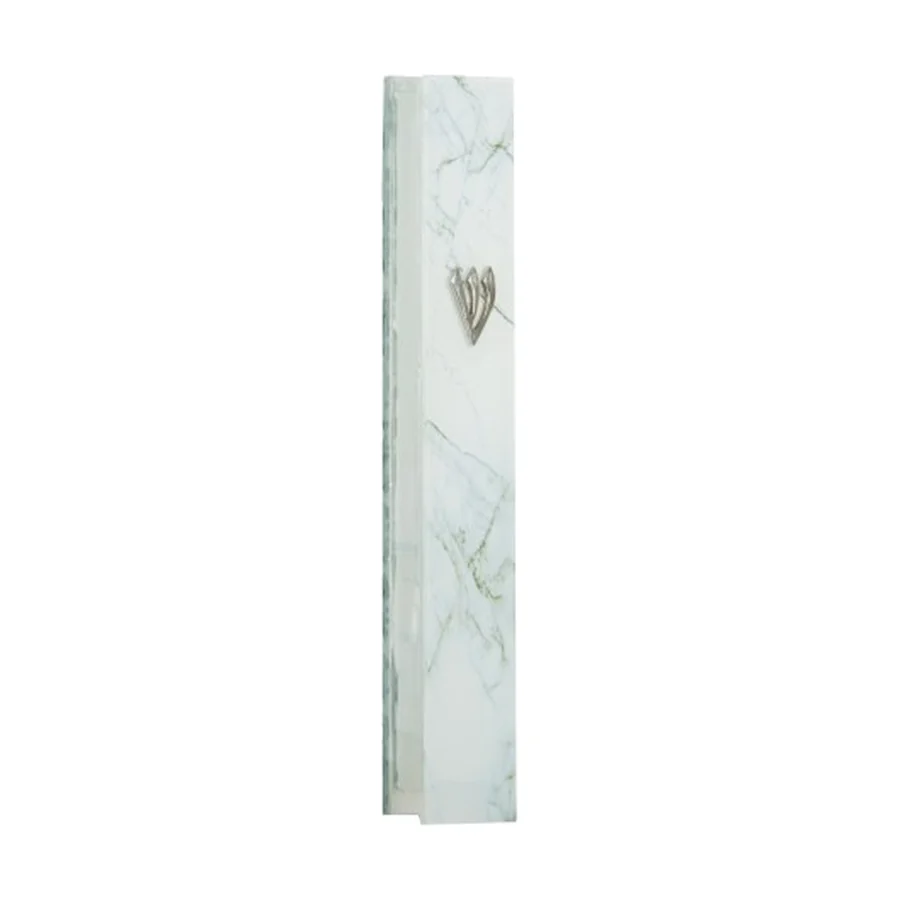
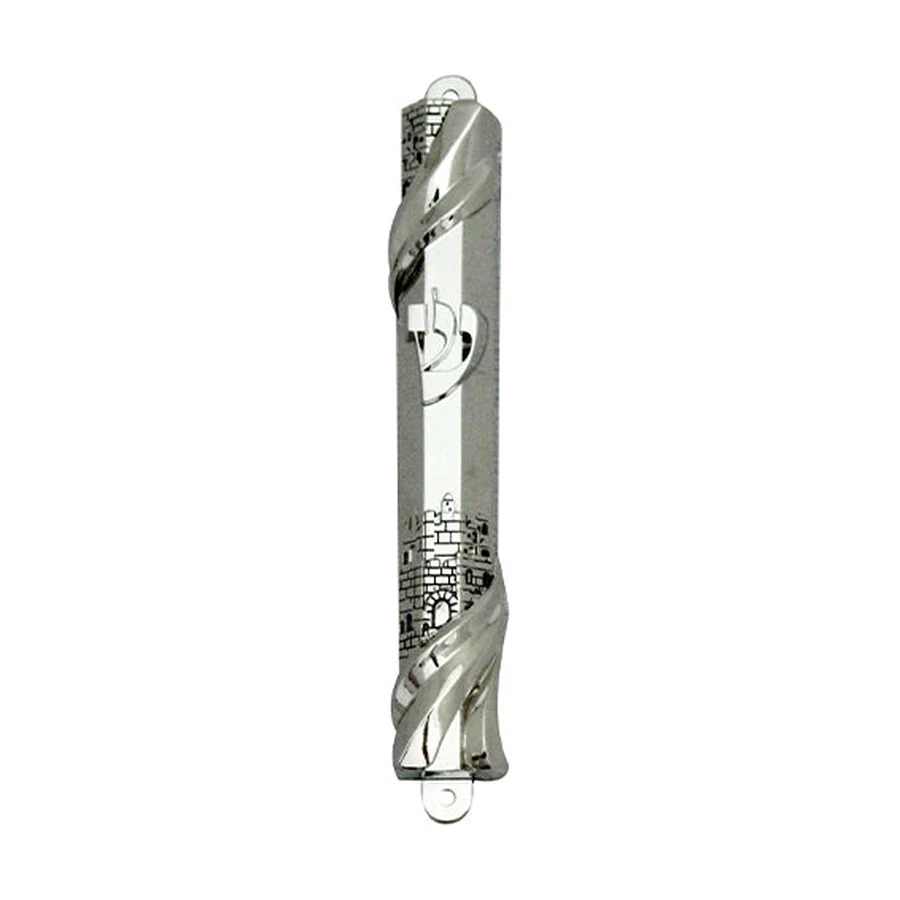
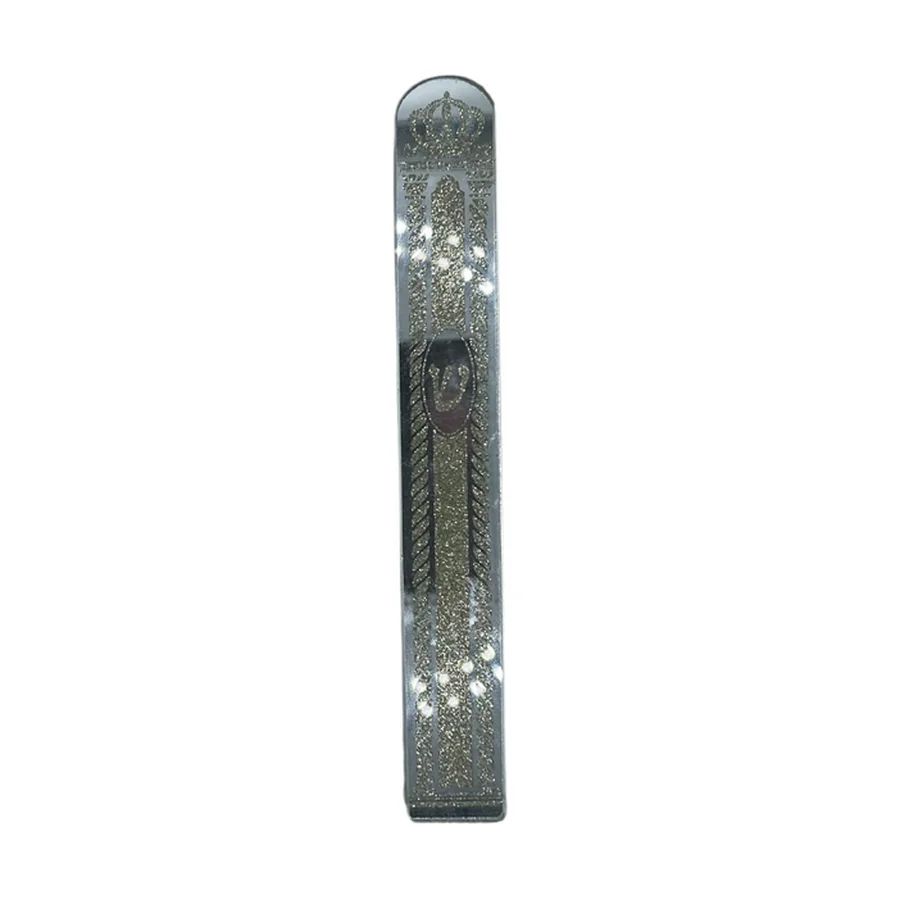
Moisture and temperature fluctuations are the primary causes of cracked letters and invalid parchments. Selecting the proper case enclosure depends entirely on doorway exposure:
❓ Frequently Asked Questions: Kosher Mezuzahs
What scroll sizes fit standard architectural cases?
The two standard sizes are 10 cm (4″) and 12 cm (4.7″). For main synagogue sanctuaries and grand entryways, 15 cm (6″) scrolls are typically specified.
How frequently should mezuzah scrolls be inspected?
According to Halacha, private residential mezuzot should be inspected twice every seven years (every 3.5 years). Public and institutional mezuzot should be inspected once every 50 years, though modern rabbinical authorities recommend checking outdoor scrolls every 3 years due to humidity.
Procure Certified Kosher Mezuzot for Your Facility
Explore our curated collection of artisanal Jerusalem stone, acrylic, and pewter cases with certified Sofer Stam scrolls.
Factory-Direct Manufacturing Standards, Quality Control & Cost Matrix
When sourcing ceremonial textiles and Judaica in bulk, synagogue administrators, day school principals, and event planners often pay a 250% to 400% markup through domestic retail middlemen who outsource production to overseas workshops. By commissioning directly through Kippah Cam Atelier, institutional buyers gain direct access to commercial Tajima multi-head embroidery looms, 450 GSM sanctuary-grade velvet stocks, and certified Hebrew scribal proofreading.
| Procurement Dimension | US Retail Middleman | Kippah Cam Direct Atelier |
|---|---|---|
| Custom Kippot Unit Cost (100+ pcs) | $4.50 – $9.50 / pc + Die Setup Fees | $1.99 – $4.49 / pc (Zero Setup Fee) |
| Bespoke Sanctuary Parochet | $1,200 – $3,500+ (8–12 Weeks) | $199 – $450 Ref (2–3 Weeks + DHL Air) |
| Hebrew Typesetting & Digital Proof | $35 – $75 Artwork Fee | 100% Free Within 24 Hours |
Frequently Asked B2B Sourcing Questions
How do we verify fabric quality and Hebrew spelling before full production?
Every order receives a complimentary high-resolution 24-hour digital proof showing exact Hebrew/English calligraphy, stitch density, and pantone colors. Physical fabric swatch kits (velvet, suede, raw silk, linen, satin) are also available via express courier.
What is the transit time to New York, New Jersey, Florida, London, or Israel?
All completed orders ship via DHL Express or FedEx Priority Air with door-to-door tracking, arriving in 3 to 5 business days across North America, Europe, and Israel.
Kosher Mezuzah Parchment vs. Printed Paper: Why Rabbinical & Sofer Certification Matters
When searching for a mezuzah with parchment, kosher mezuzah parchment, or an OU / rabbinically certified mezuzah, buyers must distinguish between decorative souvenir scrolls and Halachically valid Klaf. Every kosher parchment scroll supplied by Kippah Cam Atelier is hand-inscribed with a feather reed quill on genuine prepared animal hide by an ordained Sofer Stam, reviewed letter-by-letter by a master Magiah, and verified by computerized optical inspection.
Authoritative Judaica & Halachic References
- My Jewish Learning: What Is a Mezuzah? — Overview of the Shema parchment scroll (Klaf), doorway placement, and Sofer standards.
- Jewish Virtual Library: Mezuzah Halacha & History — Comprehensive background on kosher Mezuzah cases and scroll inspection.
- Orthodox Union (OU) Jewish Law & Kosher Standards — Authoritative institutional resource on Jewish ritual compliance.